
Expert tips, seasonal guides, and landscaping advice to help you maintain a beautiful yard year-round in North Central Indiana.
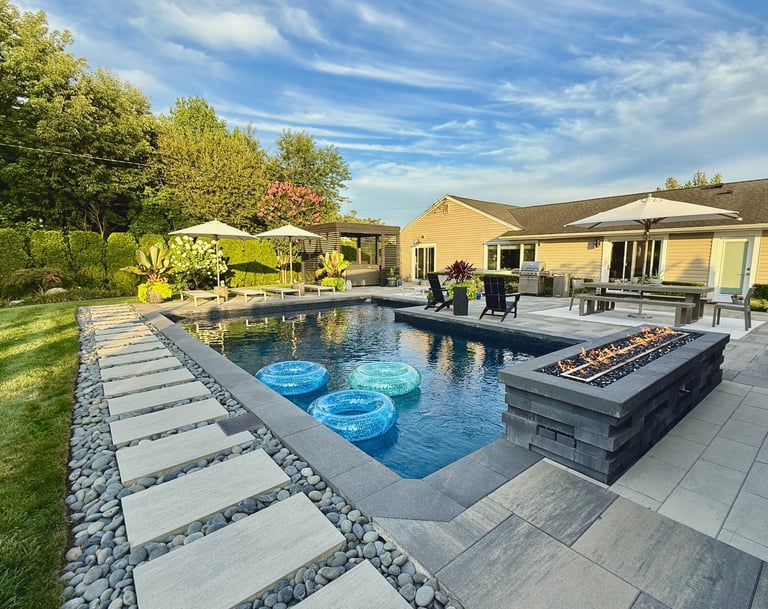
A pool is only half the project — what surrounds it makes it a backyard you actually want to use...
Read More →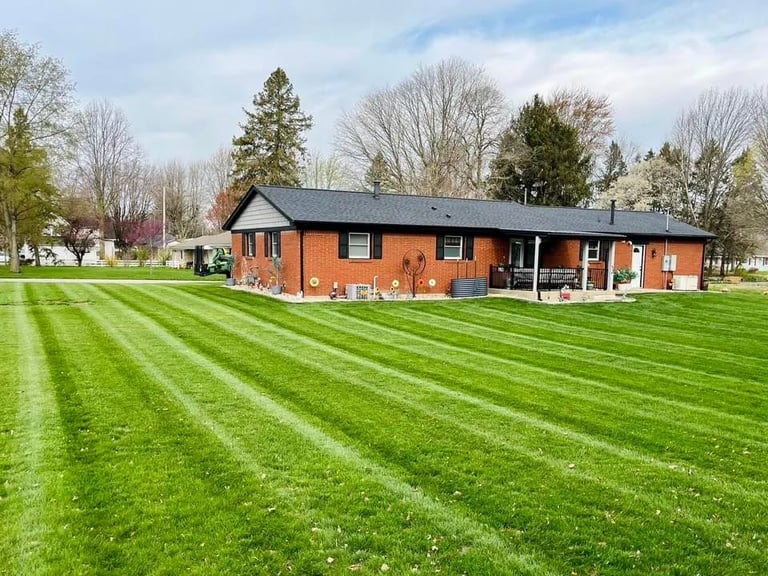
Get your lawn ready for the growing season with these essential spring maintenance steps...
Read More →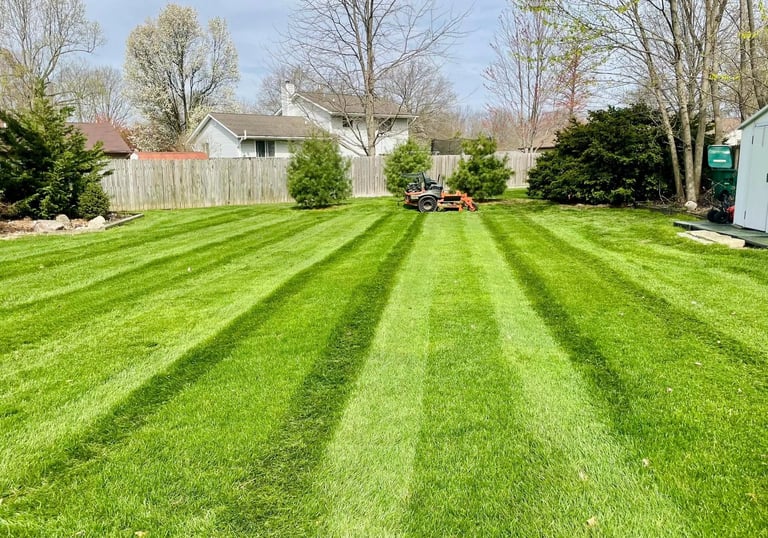
Protect your plants, equipment, and hardscaping with these winter preparation tips...
Read More →
Learn the proper watering schedule and techniques for a healthy, green lawn...
Read More →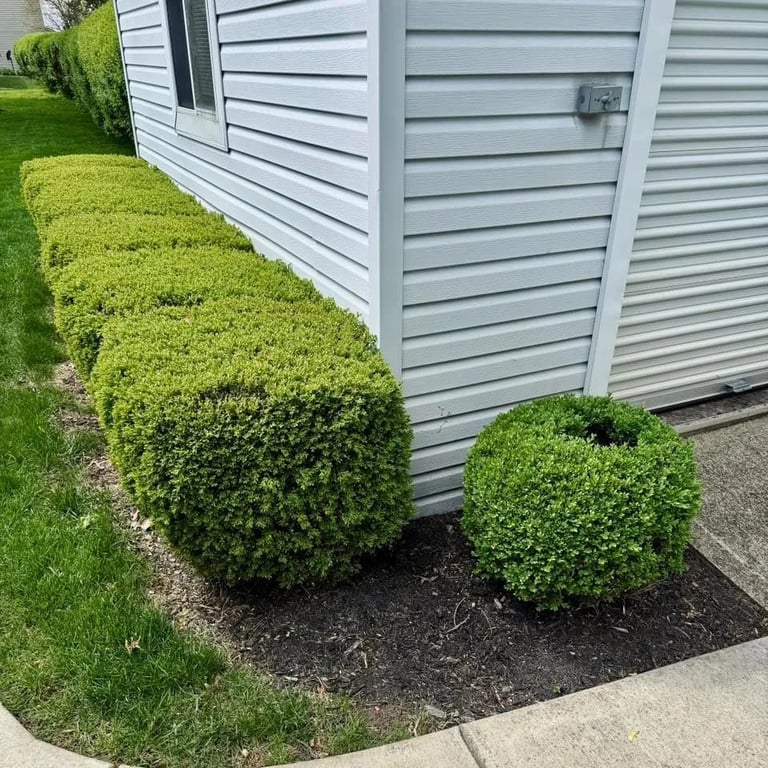
Discover the best native plants and trees that thrive in our local climate...
Read More →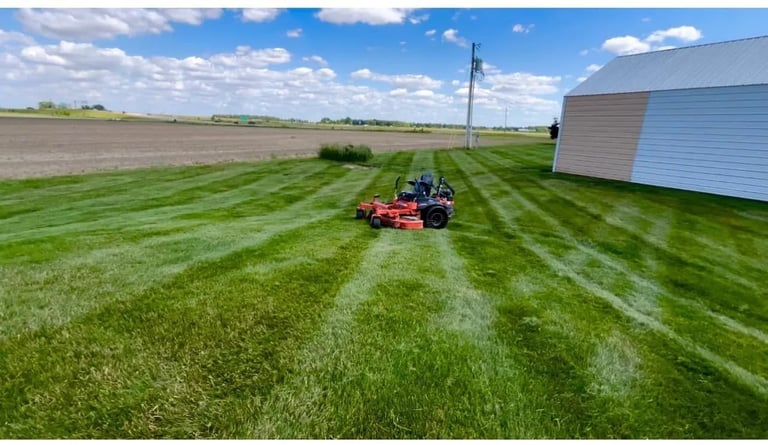
Identify and control common lawn pests before they damage your yard...
Read More →
Get inspired by the latest outdoor living trends sweeping through Indiana...
Read More →A pool is a big investment. But what most people don't realize until it's too late is that the pool itself is only half the picture. The concrete deck, the walkways, the planting beds, the drainage, the lighting — all of that is what actually makes the pool worth having. And when one company handles everything, you get a finished backyard that looks like it was designed together. Because it was.
It happens all the time. A pool company comes in, digs a hole, drops in a fiberglass shell, and drives away. The yard is a mess — dirt piles, ruts from heavy equipment, bare patches everywhere. Then you start calling around for someone to pour a concrete deck. Then someone else for landscaping. Then someone for lighting. Each contractor works off their own plan, their own timeline, and their own idea of what "done" looks like. The result is a backyard that feels pieced together instead of planned. One hand doesn't know what the other is doing, and you're the one stuck managing it all.
One Call. One Crew. One Result.
Pool installation + concrete flatwork + landscaping + lighting — all under one roof.
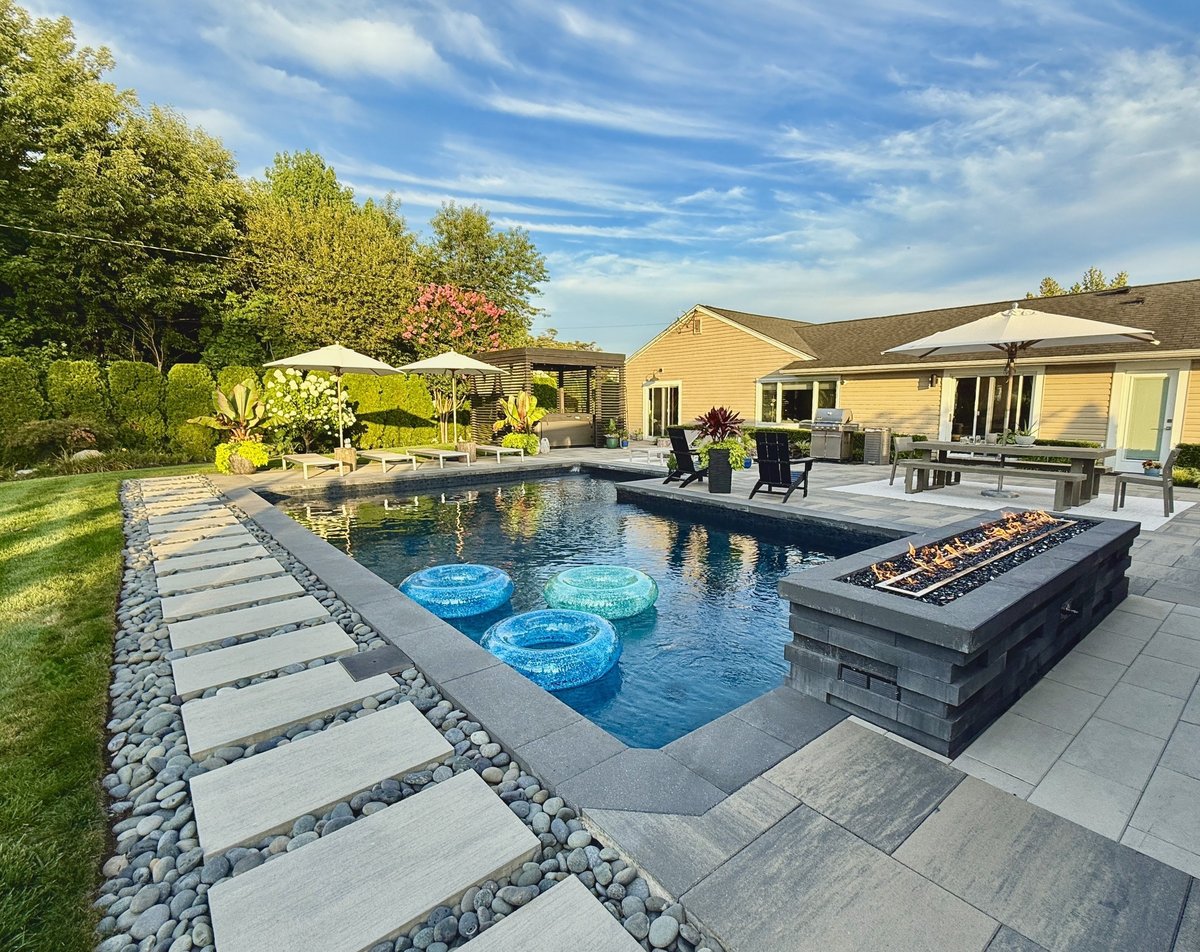
We install the fiberglass pool, and we do everything that surrounds it. That's the difference. When we show up, we're looking at the whole property — not just where the pool goes, but how the deck connects to the house, where water drains, what the view looks like from the patio, where you'll want shade at 3 PM on a July afternoon. Every decision gets made with the finished backyard in mind.
Factory-molded shells in multiple sizes and layouts. Installed in weeks, not months. Smooth gelcoat surface that's easy on feet and resists algae growth — no liner to replace, no replastering ever.
Stamped concrete, brushed finishes, exposed aggregate — we pour it all. Pool decks, connecting walkways, patios. One pour means consistent color and pattern across the entire project.
Bed design, plant selection, mulch and rock, privacy screens — everything chosen to look great around water. Plants that won't shed into the pool, roots that won't push against the shell.
Path lights, uplighting on trees and features, underwater pool lights, deck-step lighting for safety. A well-lit pool area extends your usable hours and looks incredible after dark.
A pool alone adds some value. A pool with a professionally designed and installed surrounding landscape adds significantly more. When everything looks intentional — the deck flows into the patio, the planting beds soften the hard edges, the lighting ties it together — buyers see a finished product, not a project they need to take over. Real estate agents will tell you: a poorly integrated pool can actually hurt a property. A well-integrated one is a showpiece that sells the house.
A finished pool and landscape package can return 50-80% of its cost in added home value. More importantly, it makes the home easier to sell because the buyer isn't staring at a half-finished backyard.
When one crew handles everything, the timeline compresses dramatically. There's no waiting for one contractor to finish so another can start. Here's what the typical Triple G pool project looks like:
We walk the property, talk about how you want to use the space, and create a plan that covers the pool, deck, beds, drainage, and lighting all at once.
The hole is dug, the base is prepared, and the fiberglass shell is set in place. We backfill and rough-grade the surrounding area while the pool fills.
Deck forms go in, concrete gets poured and finished. Walkways connect the pool to the house, patio, or driveway. Everything cures as one continuous pour where possible.
Planting beds go in, mulch or rock is spread, sod is laid where needed, and all lighting is installed and tested. We do a final grade to make sure water drains away from the pool and house.
We install fiberglass pools because they make the most sense for Indiana homeowners. The smooth gelcoat surface feels great underfoot — no scraped knees or rough texture. The non-porous finish resists algae, which means fewer chemicals and less scrubbing. There's no liner to tear and replace, no plaster to redo every 8-10 years. Installation takes 2-4 weeks instead of 3-6 months. And fiberglass handles Indiana's freeze-thaw cycles without cracking because the material flexes slightly with ground movement rather than fighting it.
Here's the bottom line. You can hire a pool company, then find a concrete guy, then call a landscaper, then track down an electrician for lighting — and spend your summer managing schedules and fixing gaps between their work. Or you can make one phone call and have a crew that's done this together dozens of times show up with a plan that covers everything.
We've been installing pools and building landscapes across North Central Indiana for years. We know the soil. We know the drainage patterns. We know what plants survive our winters. And we know how to turn a bare backyard into a place your family actually wants to spend time.
If you're thinking about a pool this year — or next — let's walk the property now. The earlier we plan, the better the result. We'll talk through sizes, layouts, deck options, plant choices, and budget. No pressure, just a clear picture of what's possible.
Pool installation, concrete flatwork, landscaping, and outdoor lighting — all from one team. Serving Kokomo, Lafayette, and all of North Central Indiana.
Spring in Indiana means one thing for homeowners — it's time to get the lawn back in shape after a long winter. The transition from frozen to growing season happens fast here, and the steps you take in March and April set the tone for the rest of the year.
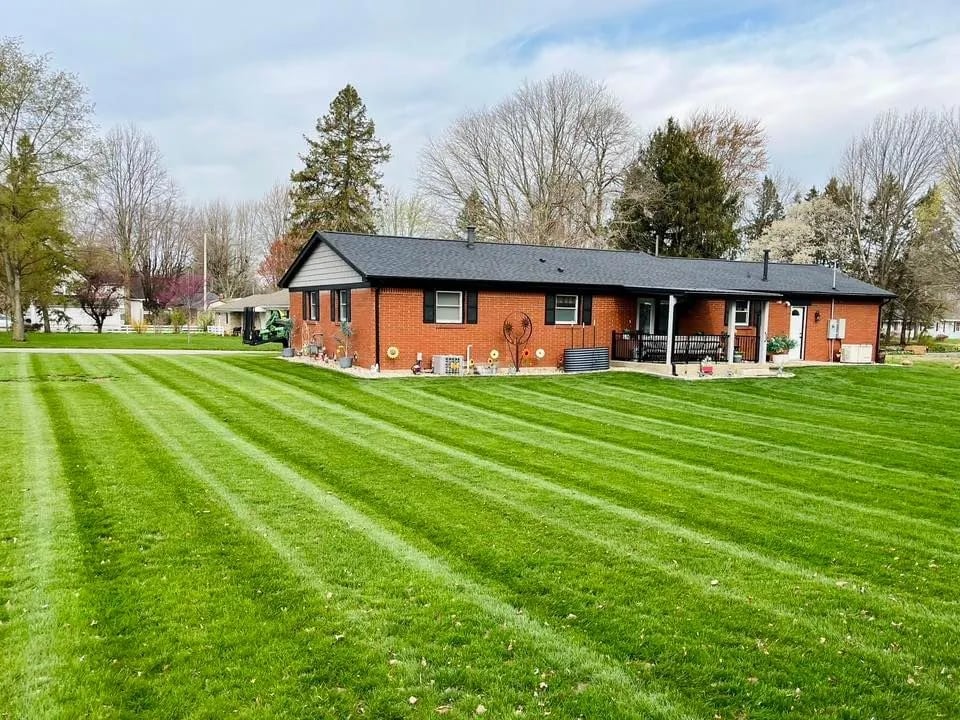
Before you fire up the mower, walk the yard and pick up sticks, branches, and any debris that winter left behind. Indiana winters are rough on trees, and all that deadfall can dull mower blades or get caught in equipment. Rake out matted-down areas where snow piled up. Getting the surface clear gives new growth room to breathe.
The first cut of the season is tempting to scalp, but resist the urge. Set your mower deck to 3 to 3.5 inches and let the grass establish itself. Cutting too short shocks the roots and opens the door for weeds. Taller grass shades the soil, holds moisture longer, and develops a deeper root system — all important for the hot, dry stretches Indiana summers can bring.
April is prime time for the first fertilizer application in North Central Indiana. Look for a slow-release nitrogen fertilizer that feeds the lawn gradually rather than dumping everything at once. Apply it when the grass is actively growing — you'll see that rich green color return within a week or two. If you're not sure what your soil needs, a soil test tells you exactly which nutrients are missing.
Those thin or bare patches that appeared over winter? Spring is the window to fix them. Loosen the soil in those spots, spread seed, and keep it consistently moist for 10 to 14 days. Spring rains usually handle the watering, but if we get a dry stretch, a light daily sprinkle makes the difference between a patch filling in or staying bare all summer.
Crabgrass starts germinating when soil temperatures hit 55 degrees, which in Indiana can be as early as mid-April. A pre-emergent herbicide applied before that temperature threshold stops crabgrass before it starts. For existing broadleaf weeds like dandelions, spot-treat rather than blanketing the whole lawn — it saves product and is better for the environment.
If spring clean-up feels like more than you can handle — or you'd rather spend your weekends doing something else — we offer full-service spring lawn care across Kokomo, Lafayette, and surrounding areas. Give us a call and we'll get your yard looking its best.
Spring lawn care made easy. Let us handle the heavy lifting while you enjoy the results.
In Indiana, winter isn't just cold — it's unpredictable. One week you're raking leaves, the next there's six inches of snow on the ground. Taking the right steps in late fall can mean the difference between a landscape that survives winter and one that struggles come spring.
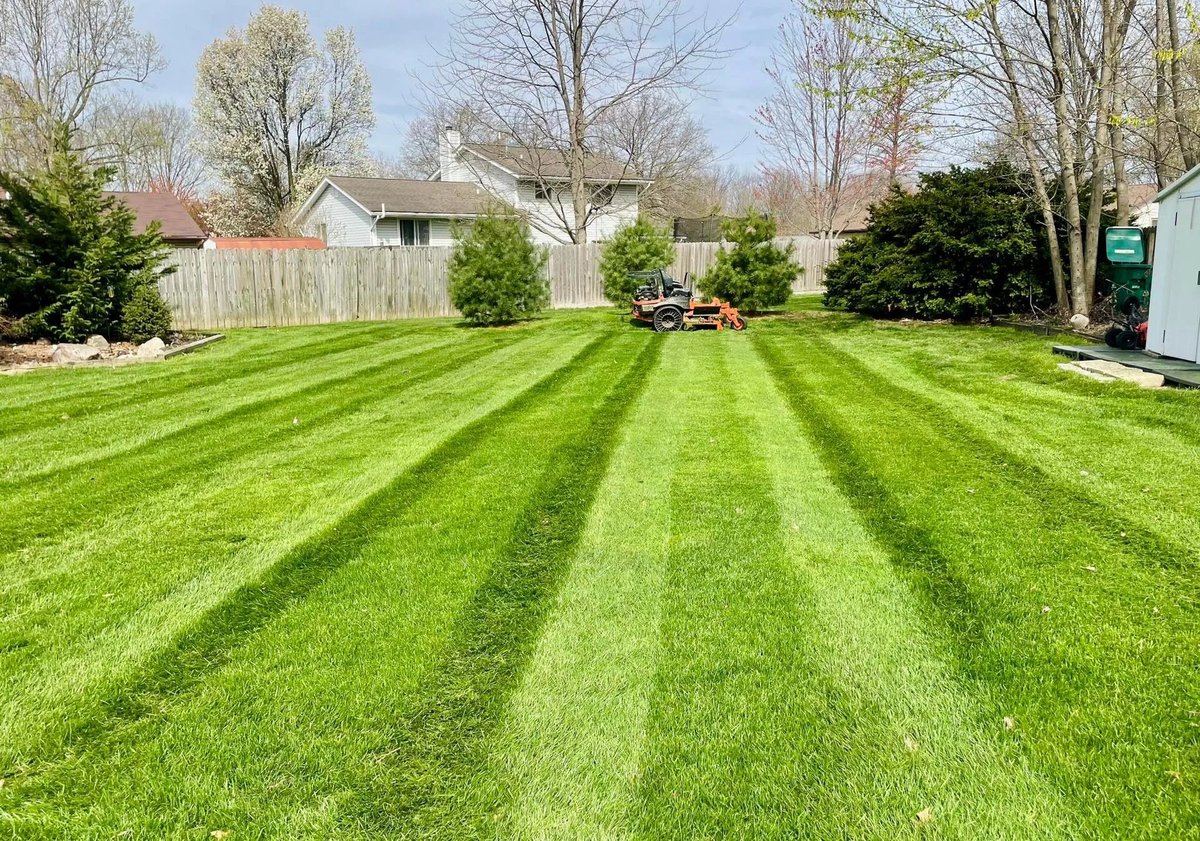
The final mow of the season matters more than most people think. Gradually lower your cutting height over the last two or three cuts of fall, ending at about 2 to 2.5 inches. Grass left too long mats down under snow and invites snow mold — a fungal disease that leaves dead patches in spring. Too short, and the crowns are exposed to freezing. That 2-to-2.5-inch range is the sweet spot.
A late-fall fertilizer application — sometimes called "winterizer" — is arguably the most important feeding your lawn gets all year. Apply it after the grass stops growing but before the ground freezes, usually in November for North Central Indiana. The nutrients get stored in the roots and fuel early spring green-up before you even think about fertilizing again.
Young trees, roses, and some shrubs need extra protection from Indiana's freeze-thaw cycles. Wrap the trunks of young trees with tree guards to prevent sun scald and rodent damage. For shrubs near the house, watch for snow sliding off the roof — it can snap branches. A simple burlap wrap or wooden A-frame over vulnerable plants makes a big difference.
Water left in hoses, irrigation lines, or outdoor faucets expands when it freezes and can crack pipes and fittings. Disconnect all hoses, drain irrigation systems, and shut off outdoor water valves. For gas-powered equipment, either run it dry or add fuel stabilizer — old gas sitting in a carburetor all winter is one of the most common reasons mowers won't start in the spring.
A light layer of shredded leaves mulched into the turf is fine — it adds organic matter. But a thick, wet mat of whole leaves smothers the grass and promotes disease. Either mulch them into the lawn with a mower or rake and remove them before the first lasting snow. Your spring lawn will thank you.
Don't want to spend your weekends on fall cleanup? We handle full-service fall and winter preparation for properties of all sizes. Reach out and we'll get you on the schedule before the first freeze.
Fall cleanup and winter preparation done right. One call and your yard is ready for whatever winter brings.
Watering seems simple — turn on the sprinkler and walk away, right? But how much, how often, and when you water makes a huge difference in how your lawn handles Indiana's hot, humid summers. Get it wrong, and you're either wasting water or setting your lawn up to struggle.
Most Indiana lawns need about 1 to 1.5 inches of water per week during the growing season, whether from rain or irrigation. The key is applying it all at once or in two sessions — not a little bit every day. Light, daily watering encourages shallow roots that sit near the surface and dry out fast. Deep, infrequent soaking pushes roots deeper into the soil where moisture lasts longer between waterings.
The best time to water is early morning, between 4 and 9 AM. The wind is usually calmer, temperatures are lower, and less water evaporates before it soaks in. Watering in the evening leaves the grass wet overnight, which can promote fungus — especially during Indiana's humid July and August. Midday watering loses a lot to evaporation, so you're paying for water that never reaches the roots.
Put a few empty tuna cans or straight-sided cups around the yard and run your sprinkler. When the cans have about an inch of water in them, you've applied enough. This is far more reliable than guessing, and it helps you see if your sprinkler coverage is even. Some zones might need more time than others.
Before you reach for the hose, look for these telltale signs: footprints that stay visible instead of springing back, grass that takes on a bluish-gray tint, and blades that fold or curl lengthwise. These all mean the lawn is drought-stressed. A healthy, well-watered lawn springs back when you walk on it.
Indiana summers can swing from drought to deluge. If we've had a good soaking rain, skip the sprinkler. If it's been dry and hot for a week, your lawn might need extra attention. Don't water on a rigid schedule — water based on what the lawn actually needs. Overwatering is just as harmful as underwatering, leading to shallow roots, fungus, and wasted money.
If keeping up with watering, mowing, and fertilizing feels like a second job, our lawn care maintenance plans take the guesswork out of it. We know Indiana lawns and what they need, week by week, all season long.
Stop guessing about your lawn. Our maintenance plans keep your yard healthy, green, and hassle-free all season.
Choosing the right plants for your landscape isn't just about what looks good at the garden center. It's about what actually survives — and thrives — in Indiana's clay soil, humid summers, and cold winters. Here are the trees, shrubs, and perennials that consistently perform in our area.
Red Maple (Acer rubrum). Fast-growing, brilliant red fall color, and handles wet clay soil better than most trees. A classic Indiana shade tree that looks good in every season. Grows 40 to 60 feet.
River Birch (Betula nigra). If you have a low spot that stays wet, this is your tree. It has peeling cinnamon-colored bark that adds winter interest and doesn't mind heavy soil. Grows 40 to 70 feet.
Flowering Dogwood (Cornus florida). An understory tree perfect for partial shade. White or pink blooms in spring, red berries in fall, and manageable size at 15 to 25 feet. Plant it where it gets morning sun and afternoon shade.
Eastern Redbud (Cercis canadensis). The purple-pink blooms in early spring are unmistakable. Native to Indiana woodlands, it's tough once established and tops out around 20 to 30 feet.
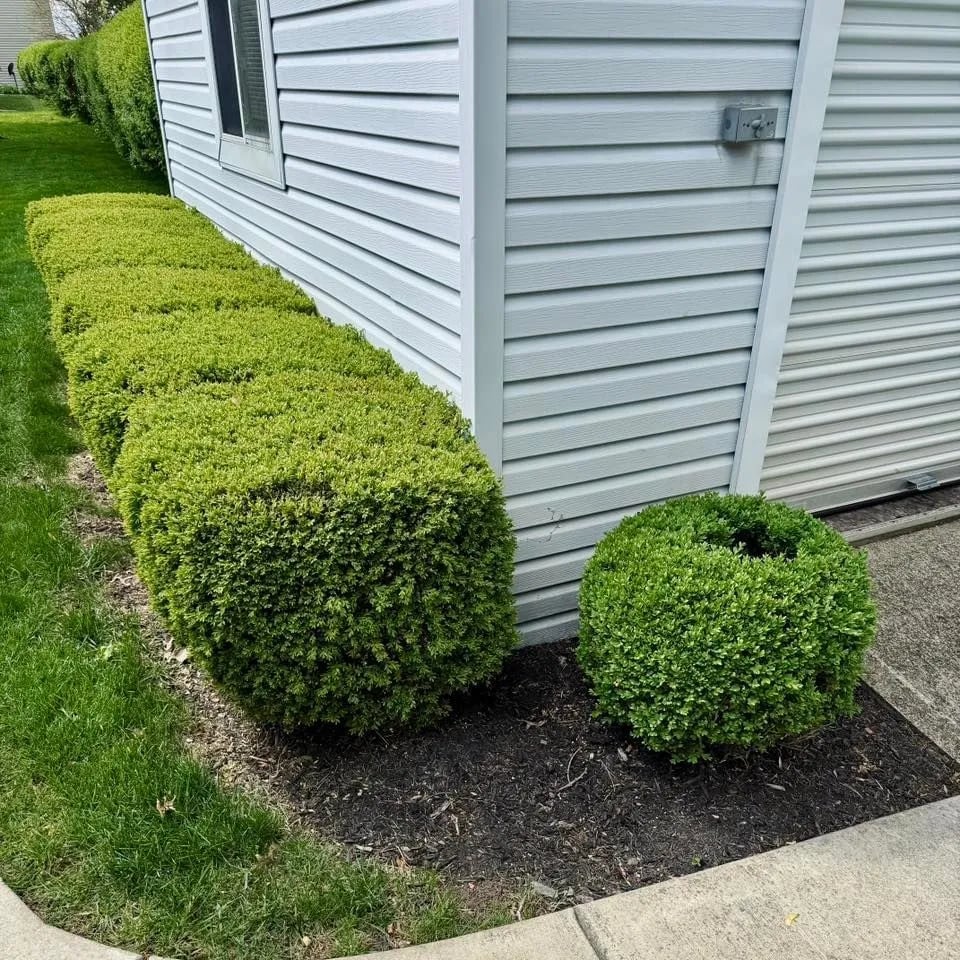
Boxwood (Buxus). The go-to for foundation plantings and hedges. Evergreen, tidy, and takes pruning well. 'Green Mountain' and 'Wintergreen' varieties hold their color through Indiana winters without bronzing.
Hydrangea (Hydrangea paniculata). Unlike the fussy bigleaf hydrangeas, panicle hydrangeas bloom reliably every year regardless of winter cold. 'Limelight' and 'Little Lime' are proven performers that pump out white-to-pink blooms from mid-summer through fall.
Ninebark (Physocarpus opulifolius). A native shrub with dark foliage varieties like 'Diabolo' and 'Summer Wine' that add contrast to traditional green plantings. Tough as nails and handles our clay soil without complaint.
Black-Eyed Susan (Rudbeckia). The classic Indiana perennial. Golden yellow blooms from July through September, drought-tolerant once established, and deer tend to leave it alone.
Coneflower (Echinacea). Purple, pink, white, or orange — coneflowers are bulletproof in Indiana gardens. They attract butterflies and goldfinches, handle heat and humidity, and bloom for weeks.
Ornamental Grasses. Switchgrass and little bluestem are native prairie grasses that add movement, texture, and winter interest. Unlike non-native miscanthus, they won't spread aggressively and they're perfectly adapted to our soil and climate.
Some popular landscape plants struggle in our heavy clay. Rhododendrons and azaleas need acidic, well-drained soil that most Indiana yards don't naturally have. Leyland cypress grows fast but is prone to disease in our humid summers. Japanese maples can work but need protected spots out of drying winter winds. When in doubt, lean toward plants native to the Midwest — they've been handling Indiana conditions for thousands of years.
Not sure what will work in your yard? We walk properties, test soil, and design plantings that look great and actually survive. Reach out and we'll help you pick the right plants from the start.
Let us design and install a landscape that thrives in Indiana. Plants, trees, beds — we handle it all.
You put in the work — watering, mowing, fertilizing — and then patches of your lawn start dying for no obvious reason. Before you blame the weather, take a closer look. Indiana lawns face a handful of common pests that can undo months of effort in a matter of weeks.
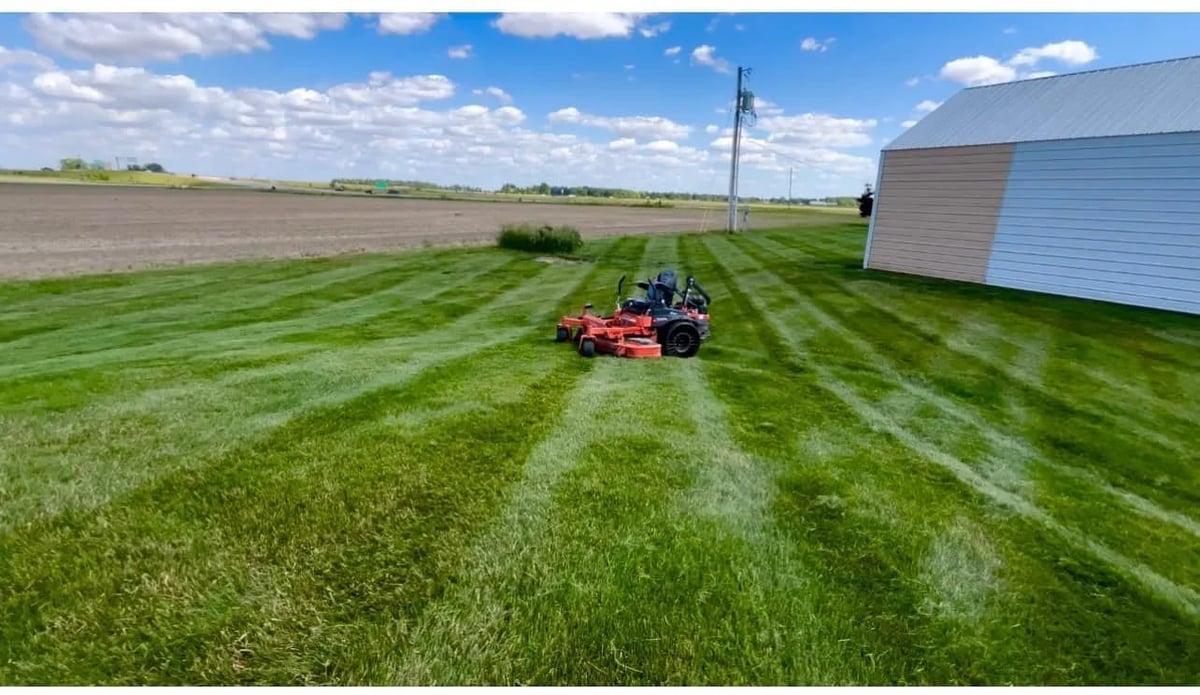
White grubs are the larvae of Japanese beetles and June bugs, and they feed on grass roots just below the surface. The damage shows up as irregular brown patches that peel back like loose carpet — because the roots are gone. Grubs are most active in late summer and early fall. A healthy lawn can tolerate a few grubs, but more than 5 to 10 per square foot means it's time to treat. Preventative grub control applied in June or July stops them before they cause damage.
Chinch bugs thrive in hot, dry conditions — exactly what Indiana gets in July and August. They suck sap from grass blades and inject a toxin that causes the grass to yellow and die. Damage often starts along driveways, sidewalks, and south-facing slopes where it's hottest. The tug test helps here too — chinch bug damage stays firmly rooted, unlike grub damage. Regular watering and avoiding over-fertilization with high-nitrogen products can reduce chinch bug problems.
Sod webworms are the larvae of small tan moths you might see flying low over the lawn at dusk. The caterpillars feed at night, chewing on grass blades near the soil surface. The damage looks like small brown spots that grow larger over time. You might also see small silk tunnels in the thatch layer. They're most active in mid to late summer. Beneficial nematodes and targeted insecticides both work — the key is catching them early.
Fall armyworms are an occasional but serious problem in Indiana. They get their name because they move across a lawn in large numbers, devouring grass as they go. A heavy infestation can turn a green lawn brown in 48 to 72 hours. They're most common in late summer and early fall. If you see large numbers of birds feeding in your lawn or small caterpillars on sidewalks and driveways, inspect immediately.
The best defense against lawn pests is a healthy, thick lawn. Pests target stressed, thin turf. Proper mowing height, deep infrequent watering, and appropriate fertilization all make your lawn less attractive to insects. If you do have a pest problem, correct identification matters — treating for the wrong pest wastes time and money. When in doubt, have a professional take a look before you start spraying.
Seeing brown spots you can't explain? We diagnose lawn problems every day across Kokomo, Lafayette, and surrounding areas. Give us a call and we'll figure out what's going on and how to fix it.
Don't let pests destroy your lawn. We identify the problem and fix it — fast.
Landscaping trends have shifted noticeably over the past few years. Homeowners are spending more time in their yards and expecting more from them. Here's what's shaping outdoor spaces in North Central Indiana this year and what's worth investing in versus what's just noise.
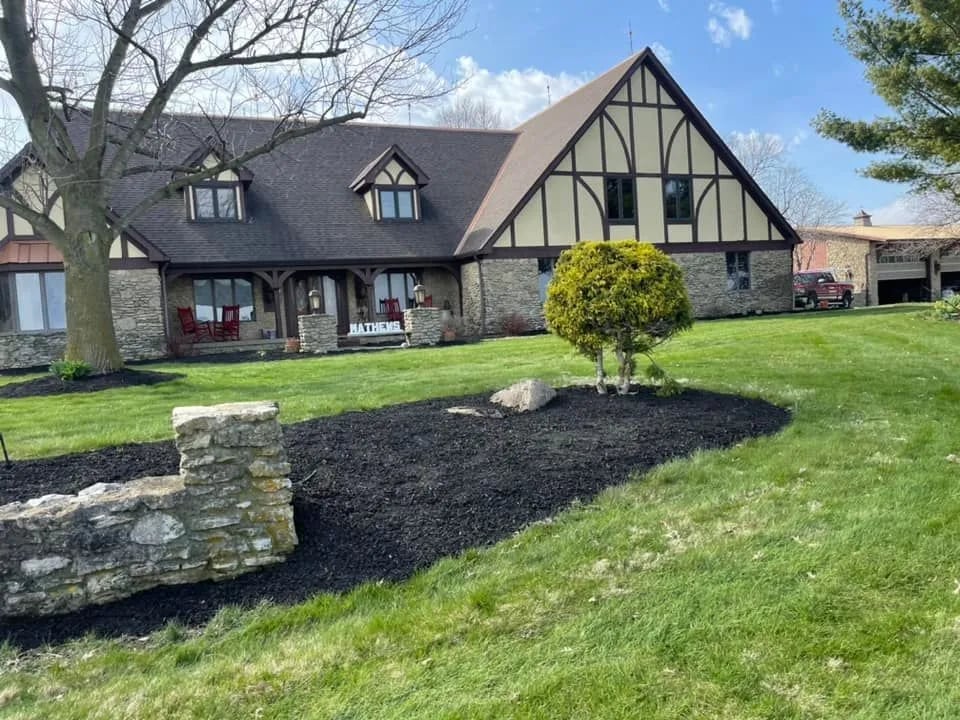
The biggest trend isn't a specific plant or material — it's how people use their yards. Homeowners want outdoor spaces that function like indoor rooms. That means defined areas for cooking, dining, lounging, and entertaining. Paver patios with built-in seating walls, pergolas for shade, and outdoor kitchens with grills and counter space are all in high demand. The key is creating distinct zones that flow together, making the yard feel like an extension of the house rather than an afterthought.
More homeowners are asking for landscapes that look great without constant upkeep. Native plants, ornamental grasses, and drought-tolerant perennials are replacing high-maintenance flower beds. The days of weekly deadheading and daily watering are giving way to landscapes designed to handle whatever Indiana weather throws at them. Rock beds, mulch areas, and ground covers reduce mowing in tight spots. The result is a yard that looks intentional and polished without requiring a full-time gardener.
Fire pits and outdoor fireplaces are no longer just for fall. Built-in fire features with gas lines or natural stone surrounds let homeowners use their outdoor spaces well into November and as early as March. Paired with seating walls and ambient lighting, a fire feature anchors the whole yard and becomes a natural gathering point. In Indiana, where spring and fall can be cool, a fire feature effectively adds two to three months of usable outdoor time each year.
Lighting has moved beyond basic path lights. Layered lighting — combining uplighting on trees and architectural features, path lighting for safety, and subtle deck or patio lighting — creates depth and drama after dark. LED technology means these systems run efficiently, and many can be controlled from a phone. Well-designed lighting transforms a yard from a daytime-only space into something you enjoy long after sunset.
Concrete still has its place for driveways and large patios, but natural stone and mixed materials are showing up everywhere. Bluestone patios, limestone retaining walls, and paver borders that mix colors and textures create a custom look that feels like it's been there for years. The trend is away from uniform, manufactured-looking surfaces and toward materials with character and variation.
Perfectly manicured boxwood hedges ringing the entire foundation are giving way to looser, more natural plantings. Overly formal, symmetrical designs are being replaced by layouts that work with the natural shape of the property. And the cookie-cutter builder landscaping package — a few shrubs and a tree in the front yard — is being ripped out in favor of custom designs that reflect how the homeowner actually lives.
Thinking about upgrading your outdoor space this year? We design and build landscapes that look great and work for how you actually use your yard. Let's walk the property and talk about what's possible.
Ready to bring your outdoor space into 2025? We design and build landscapes that turn heads.
Our experts are here to help! Get a free quote today.